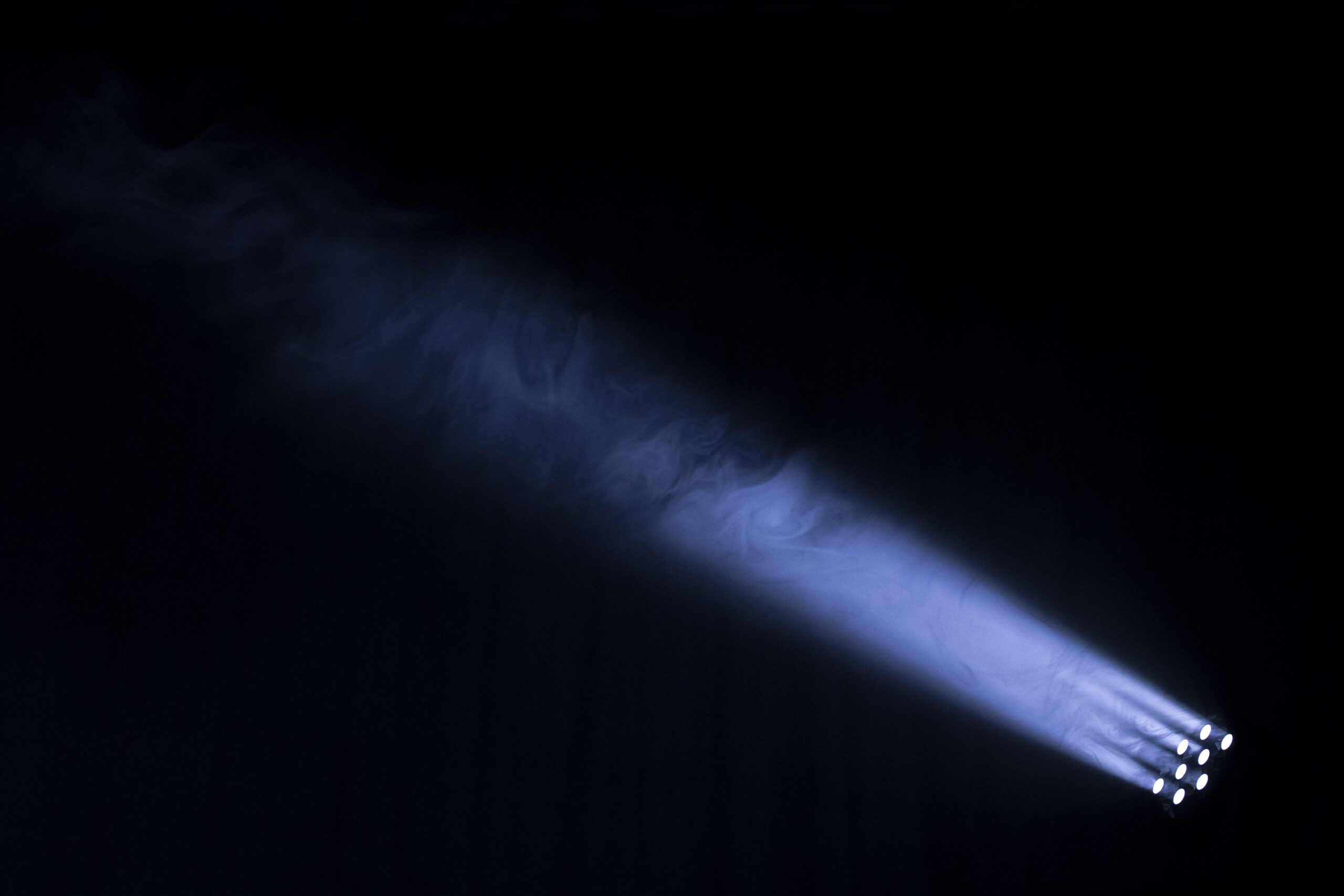
Light beams: spot, wide or flood?

When it comes to lighting, the right choice of light beam is important to achieve the desired atmosphere and functionality in a room. Light beams vary from narrow to wide and play an essential role in shaping the lighting in your interior. We explain the different categories of light beams: narrow light beams (spot), standard light beams (medium) and wide light beams (flood), and explain how they are used to create a harmonious lighting plan.

Spot

These beams typically have an opening angle of 15-25 degrees and are used to draw attention to specific objects or areas in a room. Spotlights are ideal for accentuating works of art, sculptures, or architectural details. They provide intense, concentrated lighting that creates a dramatic effect. Spotlights are often used in rooms with higher ceilings to ensure that the light reaches exactly the desired areas without spreading too much.

Medium

Standard light beams usually have an opening angle of 25-40 degrees. These beams are extremely versatile and suitable for general lighting tasks. They create even lighting over a wider area and are often used in living rooms, kitchens and hallways. Medium beams offer a good balance between brightness and ambience, making them suitable for most everyday lighting needs.

Flood

Wide light beams, also called flood beams, have an opening angle of 40 degrees or more. These beams spread the light evenly over a large area and provide softer, more diffuse lighting. Wide beams of light are often used in rooms with lower ceilings to create a cozy, enveloping atmosphere. They are ideal for living rooms, bedrooms and restaurants, where comfort and relaxation are key.

It is important to note that wider beams do not necessarily produce more light than narrow beams; it’s about how the light is distributed and what it focuses on.


In short, understanding light beams is essential in creating the desired ambiance and functionality in any space. Whether you choose narrow, medium or wide light beams, each beam width has its own unique role in the overall lighting design. By being aware of these choices you can achieve the perfect lighting for your interior.

Share

Pinterest
Facebook
Twitter
Email

Related